Back to Archive
Palestinian refugees and diaspora archive
May 8, 2026 · 70 min read
Refugees & Diaspora

Palestine Archive · Refugees Feature

Palestinian Refugees:Camps, Diaspora, and the Right of Return

A long-form archive article on displacement, camps, UNRWA, family documents, oral memory, diaspora communities, Resolution 194, videos, references, and the continuing meaning of return.

The Palestinian refugee story is one of the central stories of modern Palestine. It begins with the loss of home, but it does not end there. It includes camps, schools, clinics, family documents, political movements, poems, songs, maps, keys, memories, marriages, births, businesses, student life, football clubs, and diaspora communities spread across the world.

Refugee history is often presented only through numbers. Numbers matter, but they are not enough. Behind every number is a family name, a village name, a road, a neighborhood, an orchard, a school, a market, a house, a photograph, or a key. This article treats refugees not only as a humanitarian category, but as communities that carry memory, law, culture, and politics across generations.

The article is designed to be visually rich and scalable. Each major section includes either a large image, a card grid, a timeline, a video block, or a reference block so the page does not feel like a wall of text. Later, any part of this article can become its own dedicated archive article.

Quick Facts

Essential facts before reading

A fast overview of the key data points behind the Palestinian refugee issue.

UNRWA Definition

1946–1948

UNRWA defines Palestine refugees as people whose normal place of residence was Palestine between 1 June 1946 and 15 May 1948, and who lost both home and livelihood due to the 1948 conflict.

Recognized Camps

58

UNRWA identifies 58 recognized Palestine refugee camps across Jordan, Lebanon, Syria, Gaza, and the West Bank, including East Jerusalem.

Camp Residents

1.5M+

More than 1.5 million registered Palestine refugees live in recognized camps, while many more live in towns, cities, and diaspora communities.

Palestinians Worldwide

15.2M

PCBS estimated around 15.2 million Palestinians worldwide as of mid-2025, with about half outside historical Palestine.

Who is a Palestine refugee?

Definition

Who is a Palestine refugee?

The Palestinian refugee question begins with a definition, but it does not end there. UNRWA defines Palestine refugees as people whose normal place of residence was Palestine between 1 June 1946 and 15 May 1948, and who lost both home and means of livelihood as a result of the 1948 conflict. This definition is administrative, legal, and humanitarian. It determines who is eligible for services within UNRWA’s areas of operation, but it also points toward a much larger historical reality: families were uprooted from homes, villages, towns, farms, orchards, ports, and city neighborhoods.

A refugee is not only a person who crossed a border. In the Palestinian case, the term carries a complex relationship to land, memory, documents, family histories, and political claims. Many Palestinians who became refugees in 1948 did not imagine their displacement as permanent. Some left with house keys, deeds, photographs, school certificates, clothing, and a few belongings. Others left with almost nothing. Over time, the temporary became prolonged, and tents became camps, camps became neighborhoods, and neighborhoods became sites of political memory.

This is why the phrase Palestine refugee must be treated carefully inside the archive. It is a humanitarian category, but also a lived identity. It includes stories of loss, but also stories of education, work, culture, literature, politics, music, and family survival. A strong archive should not reduce refugees to suffering alone. It should show them as communities, families, students, workers, artists, teachers, doctors, athletes, organizers, and memory keepers.

The definition also matters because it shows that displacement is not abstract. It has dates. It has borders. It has records. It has agencies, registration systems, camp maps, service cards, and official documents. The refugee issue became one of the central unresolved questions of the Palestinian story because the original loss of home was never fully resolved through return, restitution, compensation, or a final political settlement accepted by the affected communities.

The Nakba and the making of the refugee question

1948

The Nakba and the making of the refugee question

The Nakba, meaning catastrophe in Arabic, is the central historical rupture behind the Palestinian refugee question. During the war surrounding the creation of the State of Israel, hundreds of thousands of Palestinians were displaced from their homes. Villages were depopulated, urban neighborhoods were emptied, and families were separated across new borders. For many Palestinians, the Nakba is not only a historical event; it is the beginning of a continuing condition of exile, statelessness, military rule, occupation, and blocked return.

The refugee story must be understood through geography. Families were displaced from coastal cities such as Jaffa, Haifa, and Acre; from inland towns and villages in the Galilee, the coastal plain, the Jerusalem corridor, the Lydda and Ramle area, and the south; and from neighborhoods that had been part of Palestinian social and economic life for generations. The loss was not only the loss of houses. It was the loss of land, markets, schools, mosques, churches, cemeteries, orange groves, olive trees, water sources, shops, workshops, and the social world that made ordinary life possible.

In many families, the Nakba survives through repeated place names. A grandmother may remember a village. A father may repeat the name of a town he never saw. A child in a camp may grow up knowing the family’s original village before knowing the geography of a state. This repeated naming is not nostalgia only. It is a way of refusing erasure. When the name of a village is repeated, the village remains present in family memory, even if the built environment has been destroyed, renamed, or absorbed into another landscape.

The archive should treat 1948 as both event and structure. As an event, it caused mass displacement. As a structure, it shaped decades of refugee life. Camps, UN records, political movements, oral histories, educational systems, diaspora organizations, and international resolutions all emerged from the unresolved consequences of 1948. That is why every serious Palestine archive needs a dedicated refugee article with maps, documents, testimonies, numbers, and references.

The camps: from emergency shelter to living urban memory

Camps

The camps: from emergency shelter to living urban memory

The word camp can be misleading. Many people imagine rows of temporary tents. In the early years, many camps did begin as emergency shelters. But over time, tents became concrete rooms, rooms became dense neighborhoods, and neighborhoods developed schools, clinics, shops, mosques, community centers, political murals, sports clubs, and narrow streets full of ordinary life. Camps became places of hardship, but also places of organization, education, identity, and memory.

UNRWA identifies 58 recognized Palestine refugee camps across Jordan, Lebanon, Syria, the Gaza Strip, and the West Bank, including East Jerusalem. More than 1.5 million registered Palestine refugees live in these camps, while many registered refugees live outside camps in towns, cities, villages, and diaspora communities. This means the refugee story is not limited to camps, but camps remain one of its most visible and symbolically powerful spaces.

A camp is not simply a poor neighborhood. It carries a political memory that ordinary urban categories do not fully capture. Streets may be named after original villages. Families may identify themselves by villages, towns, or regions from which their grandparents were displaced. A camp can therefore become a compressed map of Palestine: one alley connected to a village near Jaffa, another family connected to a village near Safad, another to Lydda, Ramle, Haifa, or Gaza’s surrounding villages.

Camps also show the contradiction between permanence and temporariness. They were created as temporary spaces pending a political solution, yet many have existed for generations. This creates a powerful tension. People build homes and communities because they must live, study, marry, work, and raise children. At the same time, many refuse to treat the camp as a final substitute for the original home. This tension is at the heart of Palestinian refugee identity.

UNRWA, services, records, and the humanitarian layer

UNRWA

UNRWA, services, records, and the humanitarian layer

UNRWA is one of the most important institutions in the modern Palestinian refugee story. It was established by the United Nations General Assembly in 1949 to provide assistance and protection to Palestine refugees pending a just and lasting solution. Its work has included education, health care, relief and social services, infrastructure and camp improvement, microfinance, emergency response, and other forms of support across its fields of operation.

For many refugee families, UNRWA schools became central institutions. Education carried enormous meaning because it offered continuity, dignity, and social mobility in conditions of displacement. A school in a camp was not only a classroom. It was a place where children learned reading and mathematics, but also where identity, discipline, aspiration, and collective memory were shaped. In many Palestinian families, education became one of the clearest paths from displacement toward future possibility.

UNRWA’s records also have archival value. Registration cards, family files, service documents, and administrative records are not only bureaucratic tools. They are evidence that families existed, moved, registered, married, had children, and remained connected to a refugee status produced by the unresolved political events of 1948. For a digital archive, this is important. It shows that the refugee story is documented not only through oral memory, but also through institutional records.

The humanitarian layer should not replace the political layer. Aid can help people survive, but it does not answer the underlying question of dispossession. Food distribution, education, health care, and emergency relief are necessary, but they do not erase claims to home, property, recognition, return, or compensation. A serious article must therefore explain UNRWA’s role without reducing the refugee issue to charity.

Diaspora: Palestine beyond Palestine

Diaspora

Diaspora: Palestine beyond Palestine

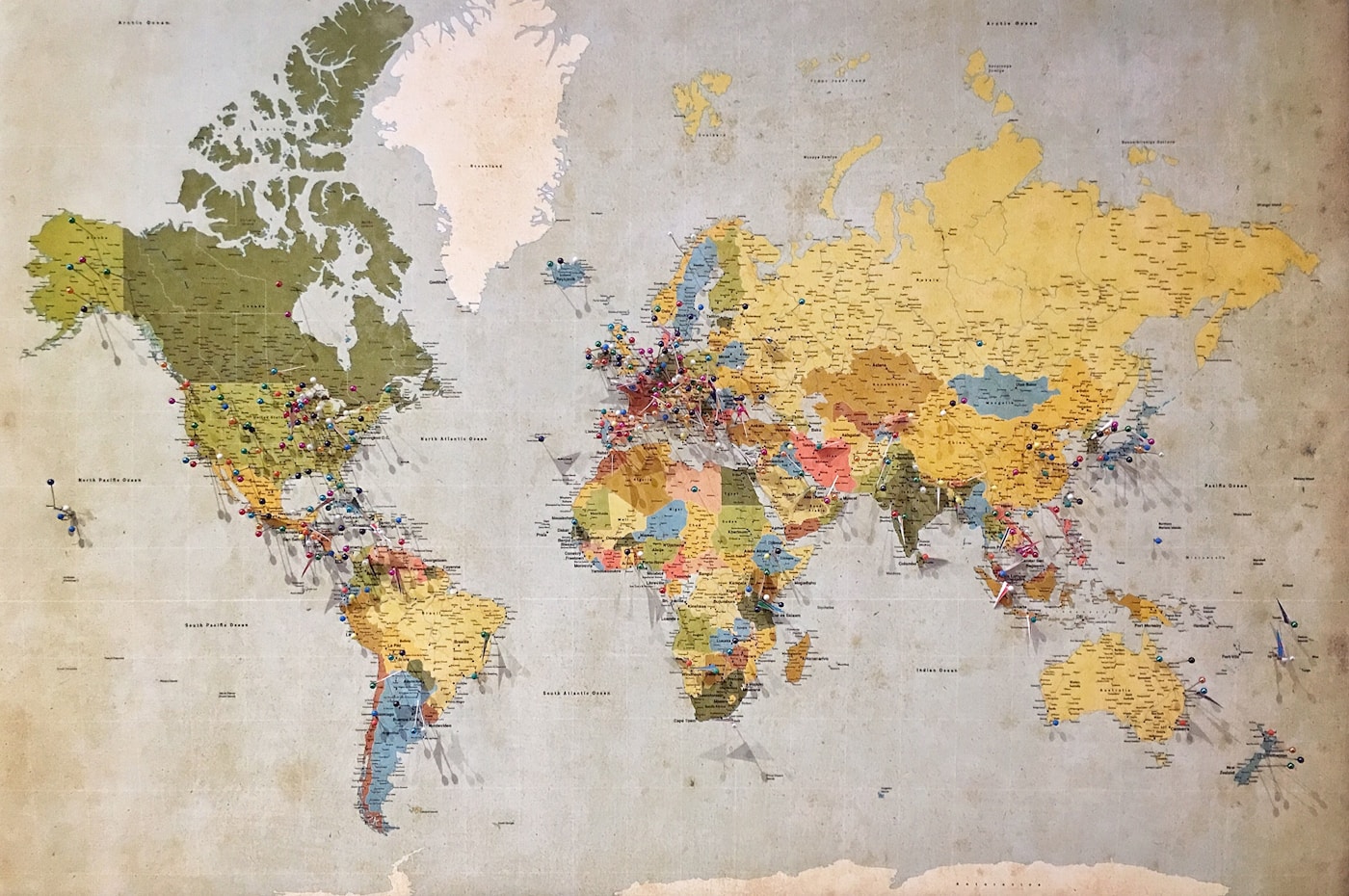
The Palestinian people are not located in one place. PCBS estimated around 15.2 million Palestinians worldwide as of mid-2025, with about half outside historical Palestine. This global distribution is the result of 1948, 1967, later wars, economic migration, education, family reunification, labor movement, and political exile. The diaspora is therefore not a side story. It is one of the main structures of Palestinian life.

Diaspora communities preserve Palestine in different ways. Some preserve village names and family trees. Some build cultural associations, student unions, churches, mosques, food businesses, music groups, football clubs, and political organizations. Some preserve Arabic dialects, embroidery patterns, wedding songs, recipes, and oral histories. Others preserve Palestine through English, Spanish, French, German, Portuguese, or other languages, translating memory into the languages of new homelands.

The diaspora also changes Palestinian identity. A Palestinian in Jordan, Lebanon, Chile, the United States, Germany, the Gulf, Egypt, or Australia may experience Palestine differently, but still remain connected to it. Some have passports; others face restrictions. Some live near camps; others live in middle-class suburbs or global cities. Some visit Palestine; others inherit it entirely through story, image, food, and family memory.

For the website, the diaspora section can become huge over time. It can include Palestinians in Jordan, Lebanon, Syria, Chile, the Gulf, Europe, North America, and Latin America. It can profile writers, doctors, athletes, artists, business owners, activists, and students. It can show how Palestine lives in communities far from the land itself, without turning diaspora identity into a replacement for the right to return.

Keys, deeds, maps, and the family archive

Documents

Keys, deeds, maps, and the family archive

One of the most powerful parts of Palestinian refugee memory is the family archive. A key, a land deed, a photograph, a school certificate, a marriage record, a tax paper, a map, or a letter can carry more than personal nostalgia. It can become evidence of place. It can show that a family had a home, a street, a shop, a field, a school, a mosque, a church, or a cemetery connected to a specific geography.

The key is perhaps the most recognizable object in Palestinian refugee symbolism. It represents the house that was left behind and the claim that leaving did not mean surrendering ownership or memory. Some keys are literal objects kept by families. Others are symbolic keys displayed in marches, murals, art, posters, and public events. In both forms, the key connects the private home to the public political claim.

Maps are equally important. A map can restore relationships erased by modern borders or renamed landscapes. It can show where a village stood, which families lived nearby, where roads connected towns, where orchards were planted, and how far a refugee camp is from the original village. A digital archive can use maps to help visitors understand that return is not an abstract slogan. It is connected to named places.

The family archive also protects memory from fragmentation. Displacement can scatter relatives across countries and continents. Documents help families reconnect histories. Oral testimony gives emotion and detail. Photographs give faces and clothing. Deeds give location. Registration cards give institutional trace. Together, these materials build a layered archive that can survive even when the original home cannot be reached.

The right of return: law, memory, and political meaning

Resolution 194

The right of return: law, memory, and political meaning

The right of return is one of the central concepts in the Palestinian refugee question. It is not only a political slogan. It is connected to international resolutions, property loss, displacement, family memory, and the unresolved outcome of 1948. UN General Assembly Resolution 194 states that refugees wishing to return to their homes and live at peace with their neighbours should be permitted to do so at the earliest practicable date, and that compensation should be paid for property loss or damage.

For Palestinians, return is often understood in multiple ways at once. It is legal, because it relates to rights, property, and international resolutions. It is political, because it is one of the major unresolved issues in negotiations and diplomacy. It is emotional, because families continue to speak about homes, villages, keys, orchards, graves, and ancestors. It is cultural, because return appears in poetry, songs, visual art, embroidery, posters, novels, films, and oral histories.

The right of return also shapes refugee identity across generations. A person born in a camp decades after 1948 may still identify with the family’s original village. This is not unusual in displaced communities. Memory can be inherited. When displacement is unresolved, the past remains active. A child can grow up with the name of a village as part of their identity even if they have never walked its streets.

A balanced archive should explain the right of return clearly without hiding its political sensitivity. It should show the UN resolution, the Palestinian interpretation, the emotional role of return in community life, and the fact that the issue remains unresolved. It should also connect the right of return to property, compensation, citizenship, statelessness, and the broader question of justice.

Daily life: education, work, culture, and survival

Daily Life

Daily life: education, work, culture, and survival

A refugee article should not only describe loss. It must also describe life. Palestinian refugee communities have built schools, clinics, sports clubs, shops, libraries, political organizations, cultural groups, women’s committees, youth initiatives, and family networks. They have produced teachers, doctors, writers, musicians, athletes, engineers, workers, artists, and organizers. This matters because refugees are not only victims of history. They are makers of history.

Education is one of the most important themes. For many families, school became a way to survive displacement with dignity. A classroom could become a promise that a child’s life would not be defined only by exile. Palestinian refugee education has created generations of professionals, political thinkers, teachers, and cultural figures. It also helped preserve identity through language, history, and community life.

Culture also plays a major role. Food, weddings, village songs, Dabkeh, embroidery, storytelling, football, poetry, and family gatherings help refugee communities maintain continuity. A meal can preserve a village memory. A wedding song can carry a regional dialect. A dress pattern can recall a town. A football club can become a place where young people build pride and belonging.

Daily life is therefore central to the archive. Refugee communities are often discussed only in terms of crisis, aid, conflict, or poverty. Those realities matter and should be documented, but they are incomplete. A full archive must also show humor, ambition, education, love, family, work, sport, art, and resilience. That is how the article becomes human rather than only statistical.

Camp Geography

Where the refugee story lives

Palestinian refugee life is spread across camps, cities, towns, and diaspora communities. These cards help visualize the geography of displacement.

Gaza Strip

Gaza Strip

Refugee camps in Gaza are among the most densely known spaces in the Palestinian refugee story. They connect 1948 displacement with generations of family memory, urban life, education, work, and repeated humanitarian crises.

West Bank, including East Jerusalem

West Bank, including East Jerusalem

West Bank camps are closely connected to nearby cities such as Jenin, Nablus, Bethlehem, Ramallah, Jericho, Hebron, and Jerusalem. They hold memory of destroyed villages while existing as living communities.

Jordan

Jordan

Jordan hosts one of the largest Palestinian refugee populations. The refugee story there is tied to citizenship, camps, urban neighborhoods, education, work, and deep family networks.

Lebanon

Lebanon

Palestinian camps in Lebanon carry a distinct history shaped by exile, restricted rights, political struggle, war, and the preservation of village identity across generations.

Syria

Syria

Palestinian refugees in Syria have faced repeated displacement, especially during the Syrian war. The story of camps such as Yarmouk became a symbol of displacement layered upon displacement.

Global Diaspora

Global Diaspora

Beyond UNRWA fields of operation, Palestinian communities live across the Gulf, Europe, North America, Latin America, and elsewhere, building identity through families, culture, student groups, businesses, and public memory.

Visual Archive

Images that help visitors understand the topic

The refugee article needs visual variety because the topic is large, emotional, legal, and historical.

The Key as a Symbol
Memory Object

The Key as a Symbol

The key is one of the most widely recognized symbols of Palestinian displacement and return. Many families remember homes through keys, deeds, village names, and oral history.

Family Documents
Archive

Family Documents

Land deeds, identity papers, registration cards, photographs, and family records help preserve links between people and places.

Camp Streets
Urban Life

Camp Streets

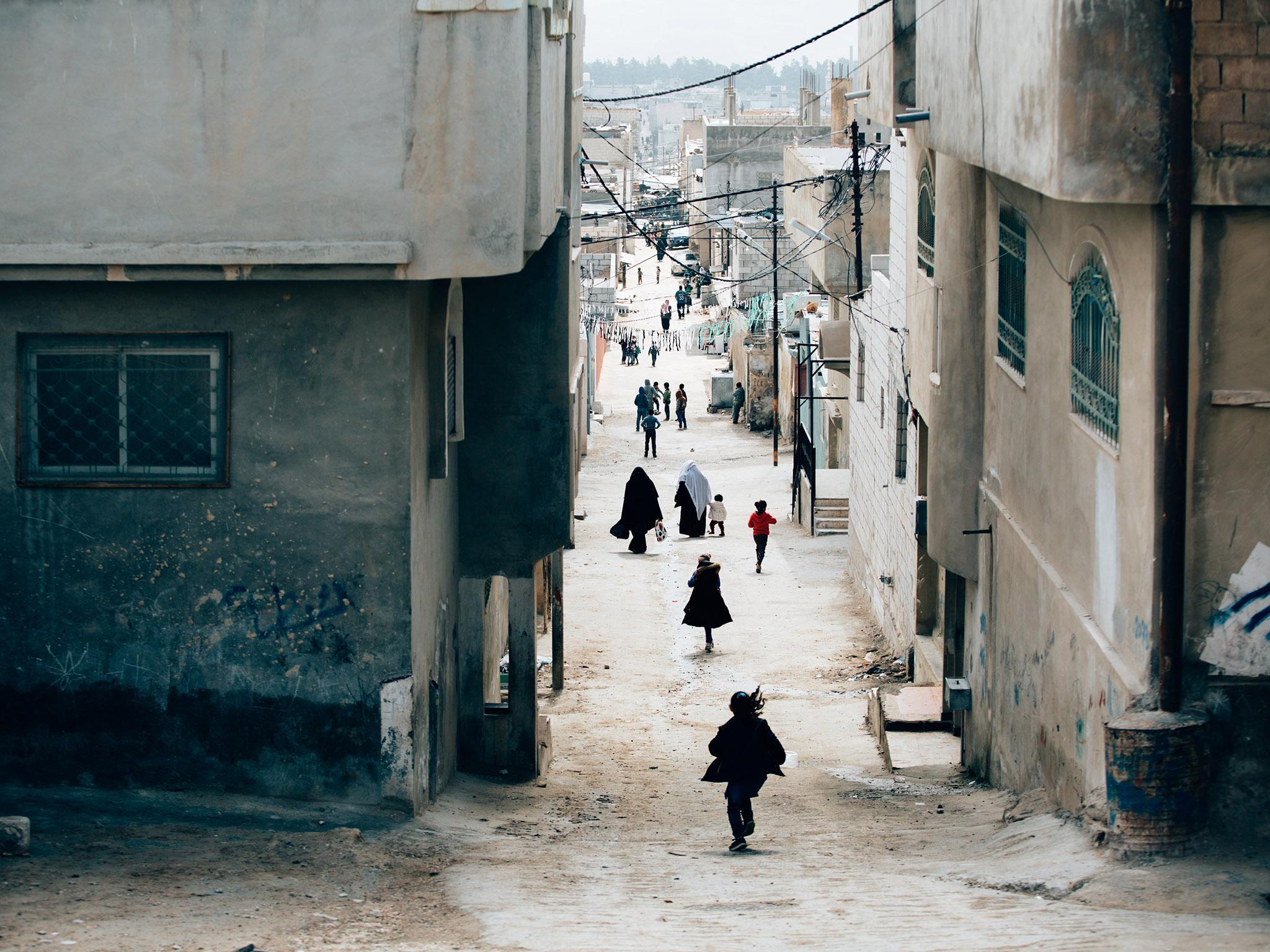
Many camps began as emergency spaces but became dense urban neighborhoods with shops, schools, clinics, community centers, and family networks.

Education and Continuity
Future

Education and Continuity

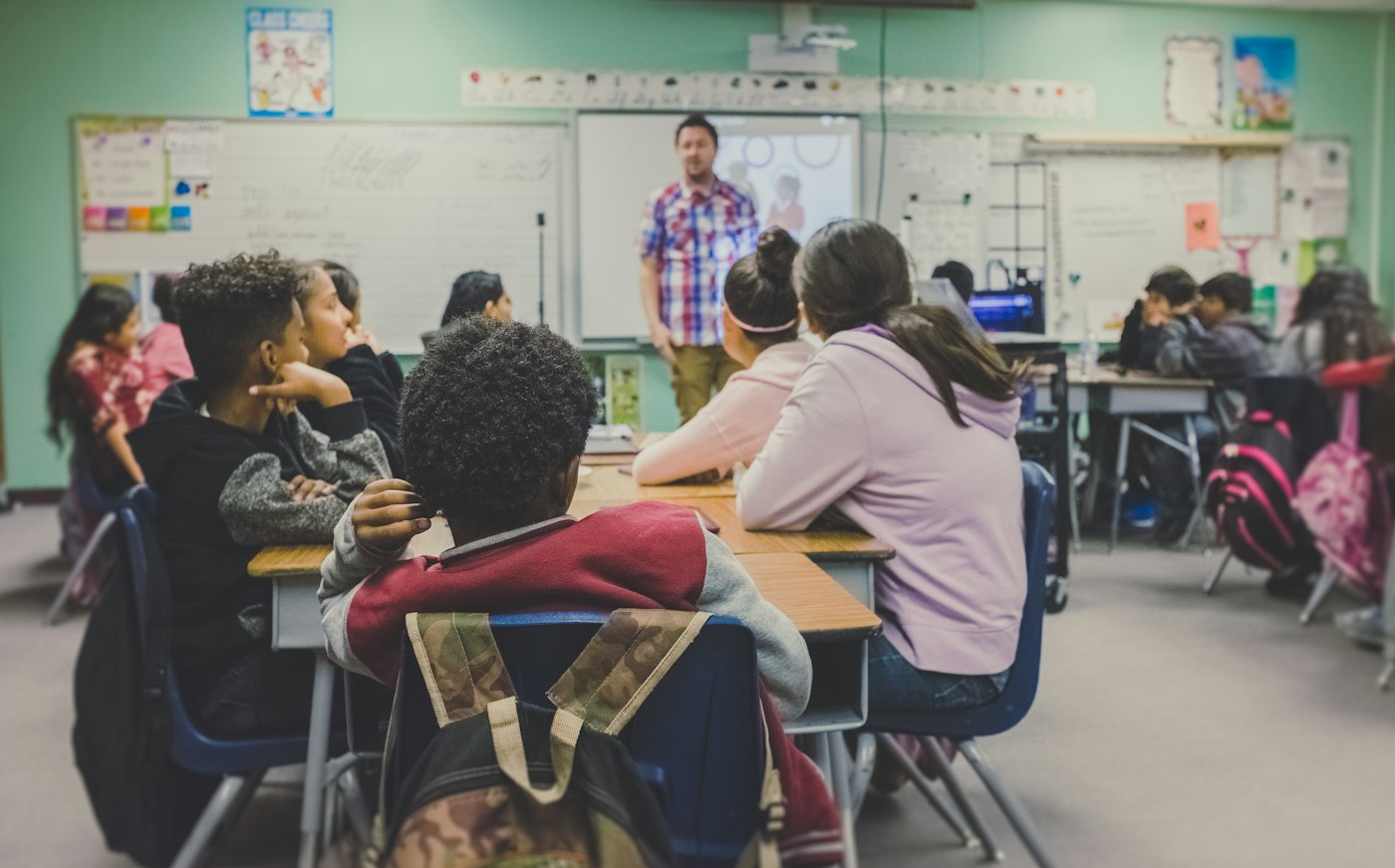
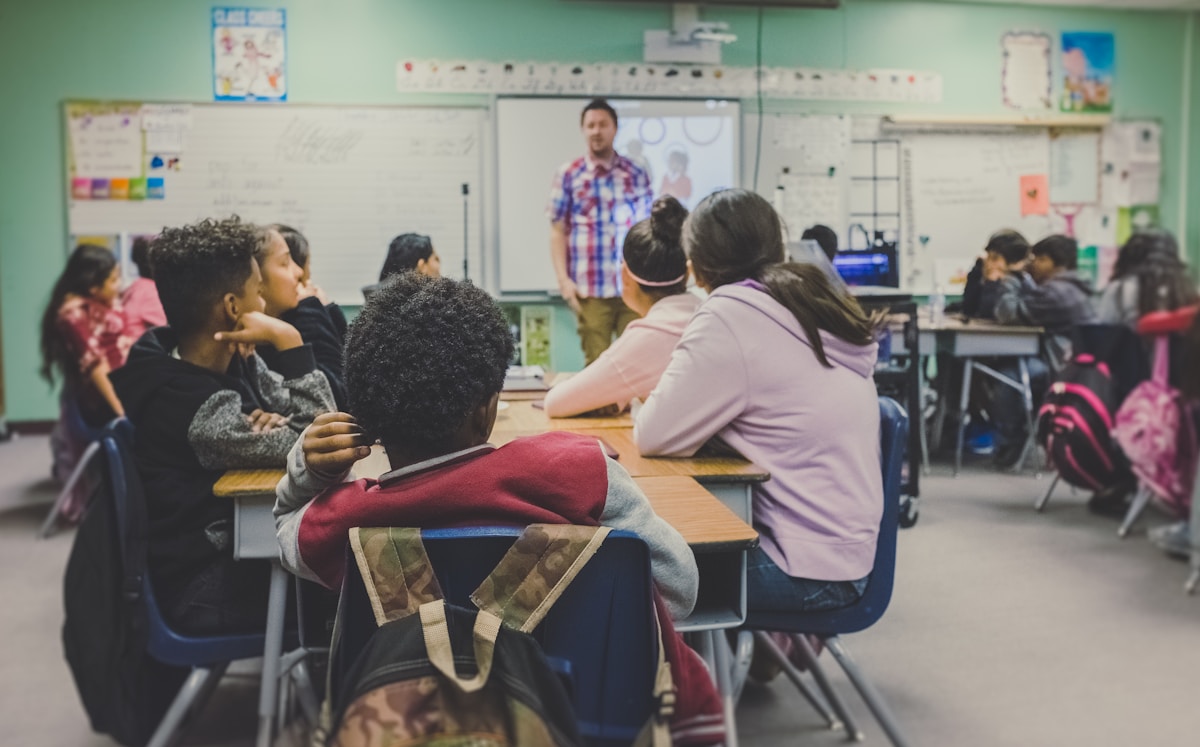
Education has been central to Palestinian refugee life, linking survival, aspiration, identity, and the future of younger generations.

Diaspora Gathering
Community

Diaspora Gathering

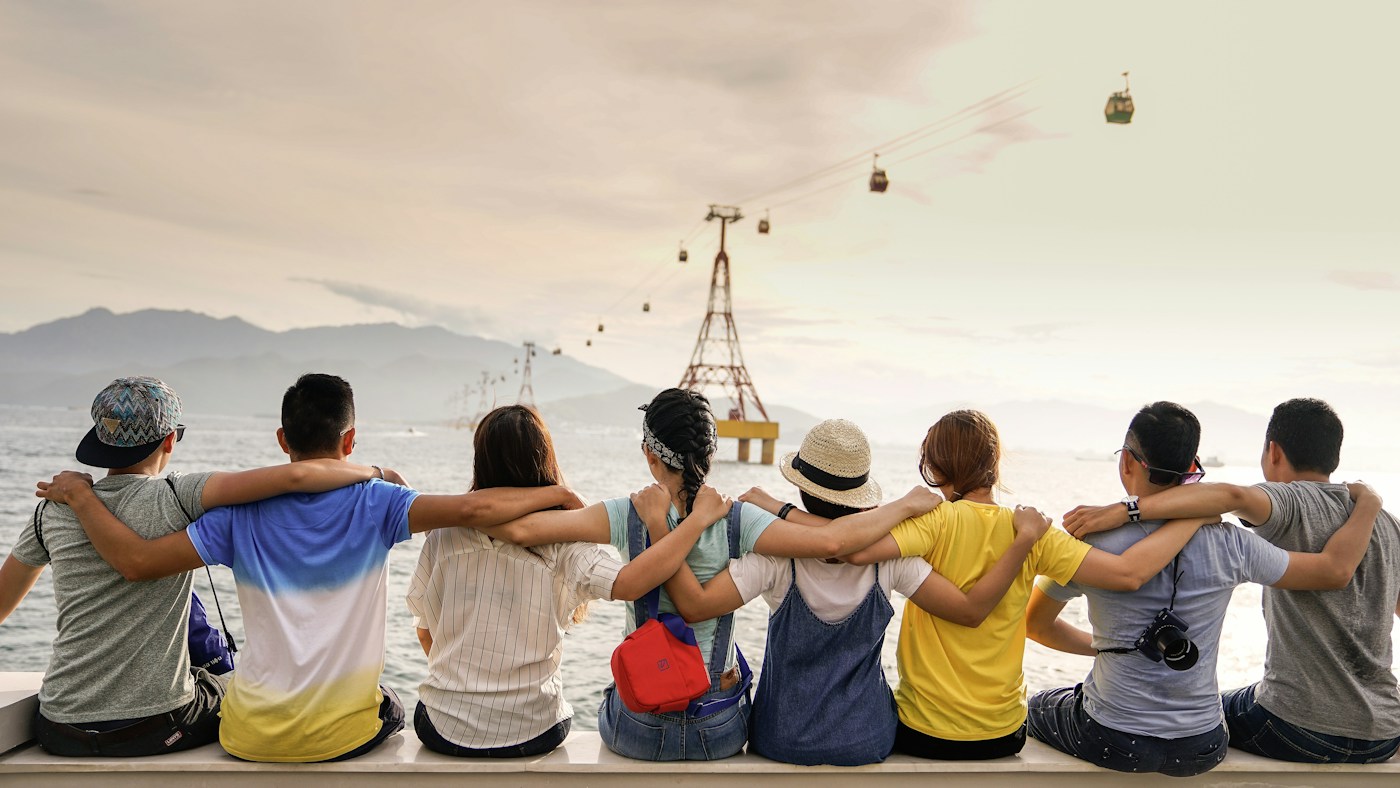
Diaspora communities preserve identity through gatherings, food, language, cultural associations, political memory, and intergenerational storytelling.

Maps and Villages
Place

Maps and Villages

Maps are essential to the refugee archive because they connect family names, destroyed villages, routes of displacement, and the geography of return.

Videos

Watch the refugee story through official sources

These are external video cards, not embedded iframes, to avoid blocked playback issues and broken video boxes.

Timeline

Key moments in the refugee story

A compact timeline that shows how displacement became a long-term structure of Palestinian life.

194801

The Nakba

Hundreds of thousands of Palestinians were displaced during the war surrounding the creation of the State of Israel. For refugee families, 1948 became the central rupture in the history of home, land, and memory.

194902

UNRWA Established

The United Nations Relief and Works Agency for Palestine Refugees in the Near East was established by the UN General Assembly to provide assistance and protection pending a political solution.

1950s03

Camps Become Communities

Many camps began as temporary emergency spaces but gradually became dense urban communities with schools, clinics, markets, family networks, and political life.

196704

New Displacement

The 1967 war generated another wave of Palestinian displacement, adding the term displaced persons to the already unresolved refugee question.

Present05

Refugee Memory Continues

Refugee identity continues through documents, oral histories, camps, diaspora communities, family names, cultural practice, and political claims to return and compensation.

Why It Matters

Refugee memory is one of the main keys to understanding Palestine.

To understand Palestinian history, you need to understand how home, exile, documents, camps, diaspora, and return are connected.

It connects past and present

The refugee issue begins in 1948, but it remains present through camps, family memories, UN records, and political claims.

It gives meaning to maps

Destroyed villages, camp locations, diaspora communities, and routes of displacement turn geography into memory.

It explains cultural continuity

Food, embroidery, songs, stories, and village names help displaced communities preserve identity.

It anchors the right of return

Return is legal, political, emotional, and cultural. It is one of the central unresolved issues in Palestinian history.

References

Build the refugee archive from verified sources

This article is structured so the key facts can be traced to UNRWA, UN documents, PCBS demographic data, and official public resources.

Continue Exploring

Return to the archive homepage

Continue through history, culture, sport, people, events, magazine stories, and research articles.

Back to Articles