Palestine is often introduced to the world through conflict, displacement, occupation, and political struggle. Those realities are important and must be documented honestly. But they are not the whole story. Palestine is also a place of beauty, craft, music, food, poetry, humor, family rituals, weddings, handmade objects, village patterns, city traditions, and everyday creativity.
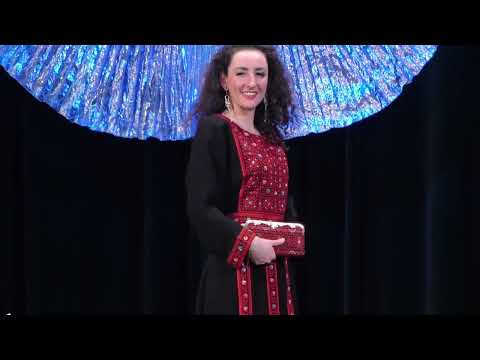
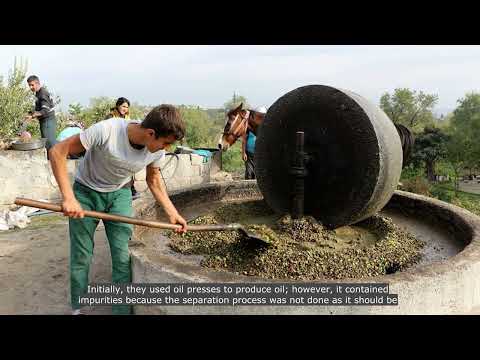
This article focuses on the positive side of Palestinian living heritage: the things people continue to make and share. It is about embroidered dresses, Dabkeh lines, Nabulsi soap, family tables, folk songs, oral stories, women’s craft knowledge, diaspora creativity, and the ability of culture to remain alive even when communities face pressure.
Living heritage matters because it is practiced, not only remembered. A person can wear Tatreez, dance Dabkeh, make soap, cook musakhan, sing a folk song, tell a Hikaye, teach a child a pattern, or prepare coffee for guests. These actions may look ordinary, but together they create continuity. They say: this culture is alive.
The purpose of this article is to make the website feel wider, warmer, and more human. The archive should document tragedy, but it should also document joy. It should explain history, but it should also show color, sound, movement, scent, taste, and beauty. That is what makes Palestine’s living heritage such a powerful positive article for the project.