Featured Story
في بيتنا ثائر
A Story of Memory, Awakening, and Palestine
“A guest arrives at the beginning of the year. He is not light. He changes the house, changes its people, and leaves behind a memory that cannot be forgotten.”
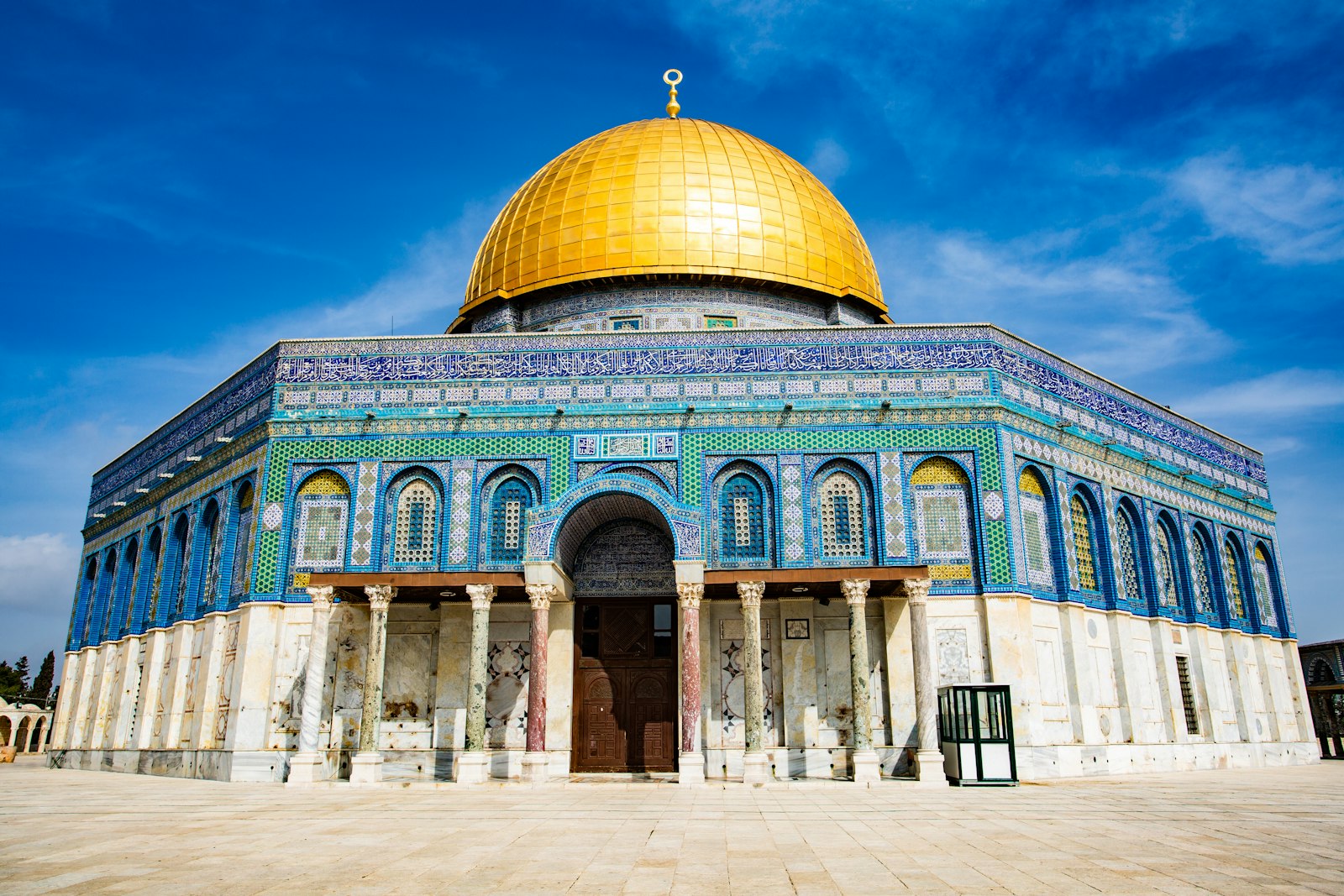
About the Story
This magazine page is inspired by the Arabic novel رواية في بيتنا ثائر by Dr. Mohamed Kamel El-Baz. The article does not copy the novel; instead, it introduces the story’s atmosphere and connects it with Palestine’s modern historical memory.
Original Arabic Title
رواية في بيتنا ثائر
Author
د. محمد كامل الباز
Language
Arabic
Pages
121
Publication Year
2025
Category
Novel / Story
Editorial Note
The power of this story begins with the image of a house. In Palestinian writing, the house is rarely just a building. It can represent family, homeland, childhood, exile, and the place where private life meets public history. The word “ثائر” gives the title its force: the visitor is not passive. He brings movement, memory, courage, and change.
Open Story SourceWhy This Story Belongs in the Palestine Archive
The videos included with this page help readers understand the wider historical setting behind modern Palestinian memory.
A story about a revolutionary figure becomes stronger when it is placed beside the history that produced revolution, displacement, and resistance. The modern history of Palestine includes the late Ottoman period, British rule, the Balfour Declaration, political migration, land struggle, the 1947 UN Partition Plan, the 1948 Nakba, and the long refugee question that continues to shape Palestinian identity.
This page is designed as a bridge. It gives visitors a literary entry point through the novel, then guides them into historical learning through the three embedded videos. The result is a magazine-style reading experience: emotional, visual, educational, and easy to navigate.
Place
Palestine is presented as land, memory, village, city, and home.
Story
The novel gives the reader a human way into political history.
Witness
The videos provide context and help visitors understand what shaped the story’s world.
Video Series: How Jews Entered Palestine
Embed these three videos directly into the page so readers can move from the story to the historical explanation without leaving the article.
كيف دخل اليهود إلى فلسطين (١)
The first video introduces the early background of migration, politics, and the historical conditions that shaped Palestine in the modern period.
كيف دخل اليهود إلى فلسطين (٢)
The second video continues the historical explanation, connecting political decisions, colonial policy, and the changing reality on the ground.
كيف دخل اليهود إلى فلسطين (٣)
The third video completes the sequence and helps readers connect the story’s emotional atmosphere with the wider history of Palestine.
Key Themes to Highlight
These themes help turn the page into a true magazine feature instead of a simple link collection.
The Visitor Who Changes the House
The story’s title suggests the arrival of a powerful presence: a revolutionary figure whose existence changes the emotional rhythm of the home and the people inside it.
Memory as Resistance
The page frames the story as more than fiction. It becomes a way to remember Palestine, displacement, identity, and the moral weight of historical truth.
The Home as a Symbol
The house is treated as a symbol of family, homeland, shelter, fear, courage, and the intimate place where political history becomes personal.
From Story to History
The article connects the novel with educational videos so readers can move from emotional reading into historical understanding.
Related Visual Gallery
Use images that support the topic: land, displacement, maps, and the historical geography of Palestine.

Palestine Through Time
Landscape imagery helps introduce the land as both a physical place and a memory carried across generations.

1948 Refugee Memory
Archival images of Palestinian refugees connect the story’s emotional tone to the history of exile and loss.

Partition and Political Change
Maps help readers understand how political decisions reshaped Palestine in the twentieth century.
Questions for Readers
Add this section to make the article feel interactive and educational.
- Who is the “ثائر” in the story: a person, a symbol, or both?
- How does the idea of a home change when history enters it?
- What emotions does the story create before the videos provide historical context?
- How do memory, loss, and resistance appear in both literature and history?
- Why do stories help people understand Palestine beyond dates and statistics?
Story and Video Sources
Keep source links visible so the page feels transparent and trustworthy.